

(1).jpg)
Real-world data highlights an increasingly complex risk landscape:
.jpg)
To provide comprehensive protection against potential threats, Siemens recommends adopting the Defense in Depth concept.
This is a multi-layered security architecture designed to protect all levels of the plant simultaneously. It is built around three core components: Plant Security, Network Security, and System Integrity.
(2).jpg)
1. Plant Security
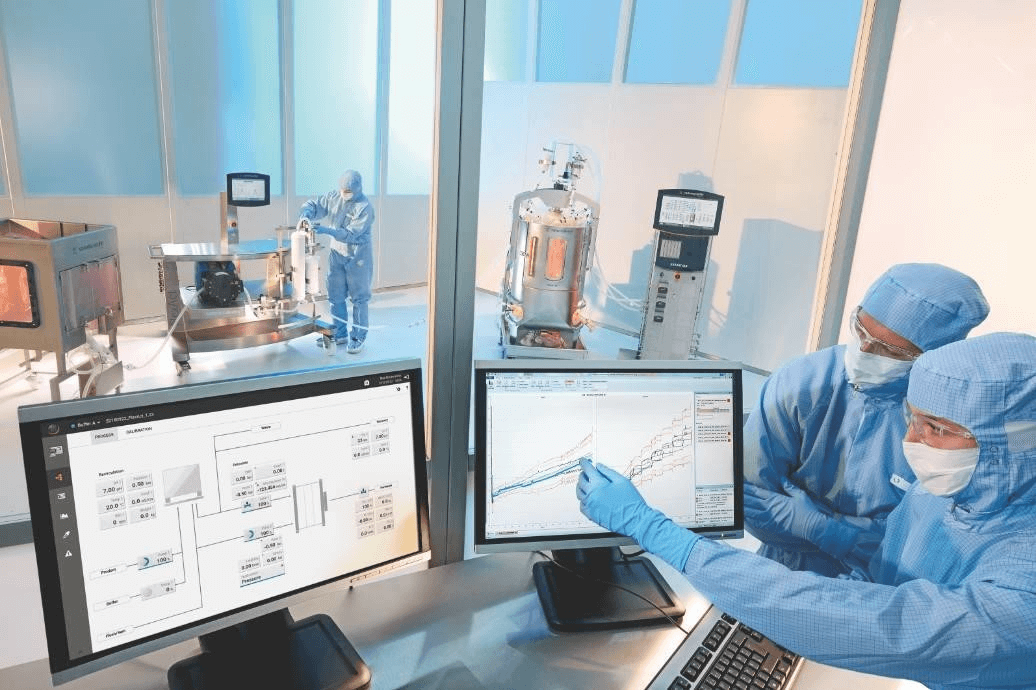
Plant security focuses on protecting physical infrastructure and establishing organizational management processes to prevent unauthorized access and tampering.
(2).jpg)
Core Measures
- Access Control: Access control systems help prevent unauthorized physical and digital access to critical assets.
- Establish Rules: Security policies and procedures help manage security risks and respond effectively to incidents.
- Personnel Training: Enhance awareness to minimize human error and insider threats.
- International Standards: Strictly apply the IEC 62443 / ISA99 standards to industrial automation environments.
Benefits:
- Enhanced Protection: Strengthen the protection of critical infrastructure and valuable plant assets.
- Reduced Downtime: Minimize the risk of production disruptions or shutdowns caused by security incidents.
- Improved Security Awareness: Increase employees’ situational awareness, enabling them to proactively prevent industrial security incidents resulting from human error.
2.Network Security
(2).jpg)
Network Security is defined as the state in which network infrastructure, data, and applications are reliably protected against misuse, unauthorized access, and theft.
Network Segmentation & Zero Trust
- Avoid flat networks: Divide and isolate the infrastructure into separate network zones and restrict communication between them through network segmentation. Combine this approach with industrial firewalls such as SCALANCE S and apply the Zero Trust principle.
- Benefits: Prevent the spread of malware, contain security incidents within specific network segments, and protect other production lines to ensure continuous operation.
Secure Remote Access
- Remote configuration, monitoring, and machine management over the Internet are often essential for improving operational efficiency. However, all remote connections should be established through secure, dedicated communication channels with consistent encryption, such as a VPN using SINEMA RC.
- Benefits: Enables engineers and contractors to perform tasks remotely in a secure and reliable manner without exposing backdoors.
Continuous Security Monitoring
- Deploy systems that incorporate AI-powered, anomaly-based intrusion detection and IDS (Intrusion Detection Systems). These solutions provide network connection visualization and centralized asset management. Siemens solutions such as SINEC Network Management System and SINEC Security Monitor help organizations move from manual vulnerability detection toward automated, proactive threat response and prevention, while enabling centralized network management.
- Benefits: Provides transparent, 24/7 visibility into data flows and communication traffic across the entire network.
3.System integrity
(3).jpg)
System Integrity
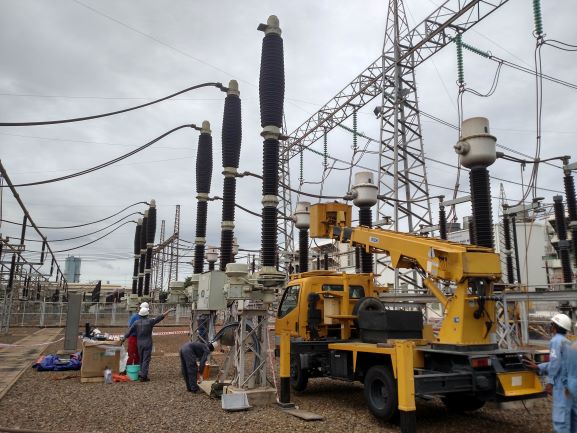
System integrity ensures that automation devices and systems operate according to their specifications and are protected against unintended manipulation or unauthorized access.
Core Measures:
- Vulnerability Management: Use cloud-based software to map vulnerabilities and manage security directly on the production floor (shop floor).
- Regular System Updates: Maintain a high level of security through regular patching and software updates.
- Integrated Security: Products and systems with built-in security features help protect trade secrets and technological processes while preventing unauthorized copying of configuration data.
- Strict Access Control: Prevent operational errors and downtime by restricting unauthorized digital access to devices.
- Benefits: Reduce the likelihood of successful attacks on OT systems, improve reliability, and strengthen business competitiveness.
Benefits:
- Proactivity: Minimize security risks before they affect operations.
- Vulnerability Management: Reduce the likelihood of successful cyberattacks infiltrating and impacting your OT systems.
- Competitiveness: Strengthen confidence in the stability and integrity of your systems.
📋 Recommended Actions
- Standardize Devices According to International Standards: Use devices with internationally recognized security certifications, such as IEC 62443.
- Control All External Connections: Closely monitor data connection points between office networks and production networks.
- Use Dedicated Management Software: Implement intelligent industrial network management solutions to monitor complex network architectures while automating vulnerability detection and centralized risk management.
- Conduct Regular Assessments: Perform regular assessments and penetration tests to identify and address vulnerabilities in a timely manner.
🚀 ESTEC – YOUR INDUSTRIAL CYBERSECURITY IMPLEMENTATION PARTNER
With expertise in consulting, automation system integration, and Siemens industrial security solutions, ESTEC supports businesses in assessing their current infrastructure, designing security architectures, and implementing industrial cybersecurity solutions tailored to the operational requirements of each plant.
From OT network protection and secure remote access to system management and security monitoring, ESTEC aims to help businesses strengthen protection, maintain system stability, and build a secure operational foundation for digital transformation.
📩 Contact ESTEC for consultation on an industrial cybersecurity solution tailored to your system.
📞 Hotline: (+84) 28 8886 8799
✉️ Email: info@biendongco.vn
Frequently Asked Questions About Industrial Cybersecurity
1. What is Industrial Cybersecurity?
Industrial cybersecurity refers to a set of measures designed to protect automation systems, OT networks, control devices, and production data from cyber threats. The goal is not only to secure information but also to protect the availability, stability, and integrity of operations.
2. How is Industrial Cybersecurity different from IT cybersecurity?
Industrial cybersecurity focuses on the OT environment, where requirements for availability, stability, and system lifecycle can differ from those of office IT environments. Therefore, security measures need to be designed specifically for control systems and the operational requirements of the plant.
3. What is Siemens' Defense in Depth concept?
Defense in Depth is a multi-layered security architecture that combines Plant Security, Network Security, and System Integrity to protect the plant against threats at multiple levels.
4. If a plant already has a firewall, does it need additional cybersecurity measures?
It may still need additional measures. A firewall is an important component, but it does not replace the entire security architecture. Businesses should also consider network segmentation, access control, system management, operational procedures, and security monitoring to reduce overall risk.
5. What is SINEMA Remote Connect used for?
SINEMA Remote Connect is a platform for managing remote VPN access, supporting secure connections between technicians, headquarters, and remote machines or plants.
6. What role does SCALANCE S play in industrial cybersecurity?
SCALANCE S is a Siemens industrial security product family used in OT network protection architectures, including functions such as firewall protection and network zone security. Device selection and configuration should be based on the specific requirements of each system.
7. Can cybersecurity be implemented in an operating plant?
Yes, but the implementation should begin with a current-state assessment and a deployment plan tailored to operational requirements. Changes involving OT networks, devices, or software should be tested and managed according to established procedures to minimize any impact on production.
8. Can cybersecurity affect production operations?
The goal of an industrial cybersecurity solution is to protect system availability and stability, rather than disrupt production. However, implementation should be carefully designed around the OT architecture, maintenance schedule, and operational requirements of each plant.
9. What is IEC 62443?
IEC 62443 is a series of international standards for cybersecurity in industrial automation and control systems. It provides an important framework for developing appropriate security architectures for OT environments.
10. Where should a business start when implementing cybersecurity?
Businesses should begin by assessing the current state of their OT systems, identifying critical assets, connection points, and existing risks. Based on this assessment, they can develop a prioritized security roadmap that aligns with their operational conditions and business requirements.
11. What can ESTEC support in a cybersecurity project?
Depending on the scope and requirements of each project, ESTEC can support businesses with solution consulting, architecture design, device and software integration, system implementation, testing, commissioning, handover, and training.
12. Is a cybersecurity solution suitable for every plant?
There is no single cybersecurity configuration that fits every plant. The solution should be selected based on the system architecture, criticality of assets, operational requirements, connectivity, and the business's development roadmap.